
Austrade Climate Sustainability Landing Pad: 50+ Meetings
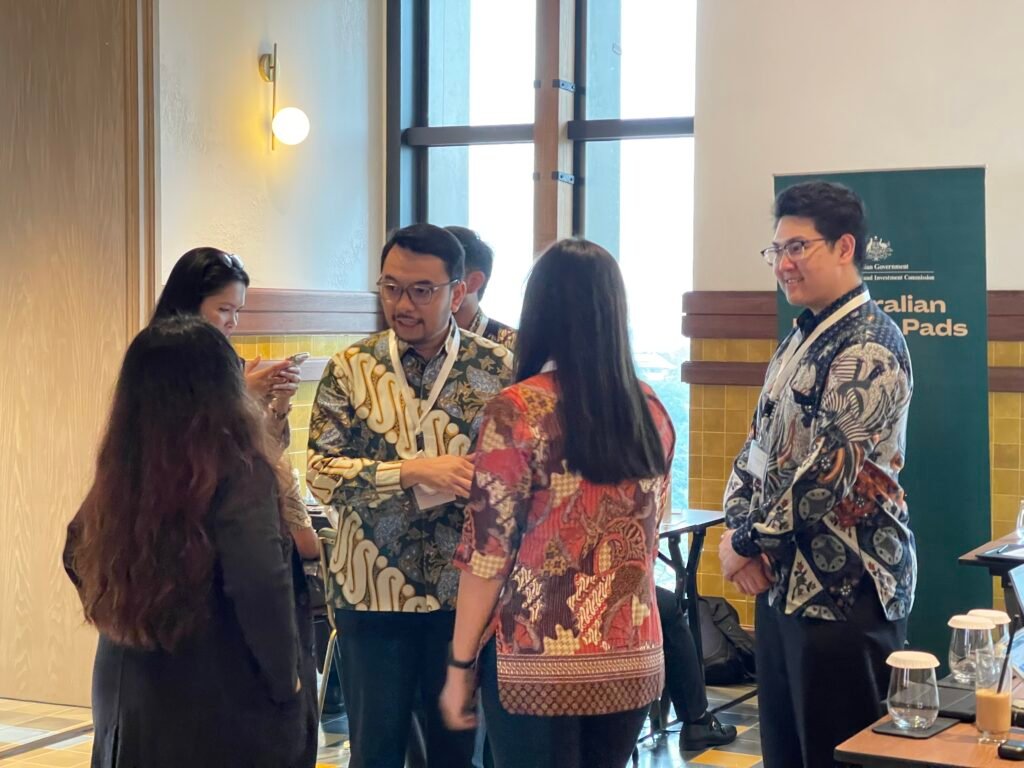
The Austrade Climate Sustainability Landing Pad was a market entry program designed to support Australian climate and sustainability companies in exploring commercial opportunities and strategic partnerships in Indonesia. Delivered through close collaboration between Austrade and VentureSEA, the program combined pre-market preparation, targeted business matching, and on-ground facilitation to help delegates understand Indonesia’s climate innovation landscape and engage directly with relevant industry stakeholders.
Southeast Asia Data Center Boom: A $13B Opportunity by 2030
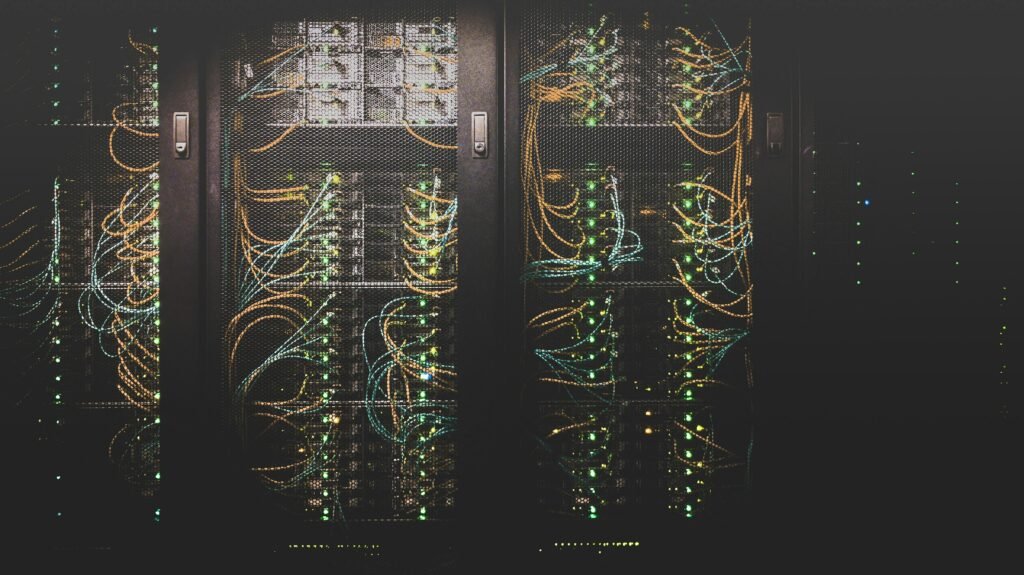
The Southeast Asia data center boom is being driven by one thing above all else: generative AI. Training large language models requires massive, concentrated computing power, while inferencing — running trained models in real-world applications — demands low-latency facilities close to urban centers. Both put a strain on infrastructure that traditional cloud workloads never did.
AI Compliance Southeast Asia Startups: 3 Alarming Deadlines

AI compliance Southeast Asia startups need in 2026 comes down to two converging deadlines. In Indonesia, the transition period under UU PDP has already ended, and organizations processing personal data — including data used to train or run AI systems — must fully comply or face penalties of up to 2 percent of annual revenue, alongside warnings, suspension of processing, and orders to delete data.
If You Had to Build a Startup in ASEAN Today, Which Country Would You Choose?

The best country to start a startup in ASEAN is no longer a question with a generic answer — and that is precisely what makes it more important to get right in 2026 than it was in 2020. Each ASEAN country has now developed a distinct ecosystem character, a distinct investor profile, and a distinct set of structural advantages and constraints.
The Rise of the One-Person Unicorn: How AI Agents Are Rewriting the Rules of Startup Success

The one-person unicorn — a private company valued at over $1 billion run by a single human — has shifted from thought experiment to credible 2026 forecast. The milestone has a specific origin point.
In 2024, OpenAI CEO Sam Altman revealed he maintains a group chat with fellow tech CEOs actively placing bets on when the first billion-dollar, single-employee company will emerge. That became a credible forecast in May 2025, when Anthropic CEO Dario Amodei was asked directly at the Code with Claude conference. His answer: “2026.” His confidence: 70–80%.
Indonesia vs Singapore Economy 2026: 18x Shocking Gap

Indonesia vs Singapore economy 2026 is not a comparison between two economies competing on the same terms. It is a comparison between two entirely different economic models — scale versus density, resources versus specialisation, demographic mass versus institutional quality.
The IMF’s April 2026 World Economic Outlook confirms what has been true for years: Indonesia is ASEAN’s largest economy by total output, and Singapore is its richest by income per person. Reading them side by side without context produces the wrong conclusions about both.
Claude Fable 5 Shutdown: 19 Days That Should Worry Firms
Anthropic launched Claude Fable 5 and its more capable sibling, Claude Mythos 5, on June 9, 2026. Both share the same underlying model, with Fable 5 carrying additional safety restrictions for general availability.
Tokopedia Layoffs 2026: A Warning Sign for SEA E-Commerce

In early July 2026, reports surfaced that TikTok, which controls a 75.01% stake in Tokopedia, had cut more than 450 positions in Tokopedia’s technology division — reportedly leaving as few as 35 tech staff from a team that once numbered around 1,100. Social media claims put the figure at 90% of an affected business unit, a number Tokopedia and TikTok executive director Stephanie Susilo firmly denied, describing the changes instead as “workforce restructuring and internal mobility” within the TikTok-Tokopedia Group.
IMF GDP Growth Forecasts for 6 Major ASEAN Economies in 2025–2026: A Country-by-Country Breakdown
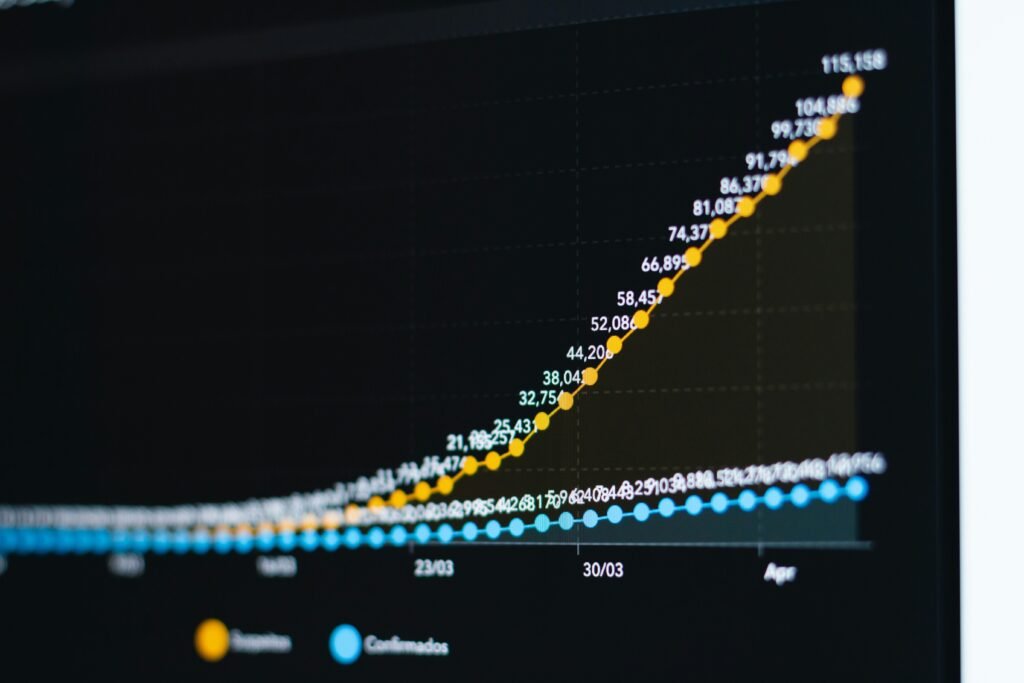
The IMF’s World Economic Outlook, updated twice yearly, is the most authoritative international benchmark for country-level growth projections. When the April 2026 edition placed Vietnam at 6.5% and Thailand at 2.0% for 2025 — within the same regional grouping, one year apart — it was not describing minor variation around a regional trend. It was documenting structural divergence of a magnitude that makes the phrase “Southeast Asia’s growth story” analytically questionable as a single statement.
Is Southeast Asia Really the Next Economic Boom Region — or Is the Growth Story Overstated?
The Southeast Asia growth narrative has become one of the most repeated phrases in global economics, investment pitches, and business strategy documents. ASEAN will be the world’s fourth-largest economy by 2030. The region has 680 million people, a young demographic profile, and a booming digital economy. Manufacturing is shifting from China. The opportunity is generational.