
China Desk Strategy: A $174B Wake-Up Call for ASEAN

A China Desk is a dedicated government unit — typically housed within a trade ministry, investment board, or chamber of commerce — specifically staffed and structured to manage the relationship with Chinese capital, technology transfer, and state-linked enterprises.
Southeast Asia Market Entry 2026: 6 Markets, 1 Smart Order

Most companies plan “Southeast Asia expansion” as if the region were a single market with a single entry decision. It isn’t. Southeast Asia market entry 2026 planning that treats the region as one unit typically discovers, only after budget is already committed, that Singapore’s contract law, Indonesia’s foreign investment rules, and Vietnam’s manufacturing incentives have almost nothing in common — different regulators, different buyer expectations, different timelines to revenue.
Is Meta Dying? Inside Its $145B Bet and 2,000 Lawsuits

The honest answer is: the data doesn’t yet support “Meta is dying,” but it does support “something changed, and Wall Street noticed.” Meta’s daily active people (DAP) fell from 3.58 billion in Q4 2025 to 3.56 billion in Q1 2026 — a loss of roughly 20 million users and the company’s first-ever sequential decline in this metric. It also missed Wall Street’s forecast of 3.62 billion.
AI Regulation in ASEAN: The $490M Push for Greater Control

AI regulation in ASEAN refers to the growing set of laws, policies, standards, guidelines, and governance frameworks that shape how artificial intelligence can be developed, deployed, and used across Southeast Asia.
QRIS Cross-Border Payments Expand to 6 Countries in 2026

QRIS cross-border payments are Indonesia’s effort to extend its domestic QR payment standard — Quick Response Code Indonesian Standard — beyond its own borders, letting users scan a QR code to pay in a partner country using their home banking or e-wallet app, without needing local cash or a currency exchange. Indonesia’s QRIS network already supports roughly 56 million domestic users and 45 million merchants, and Bank Indonesia has been steadily building outward from that base since QRIS first went live cross-border with Thailand in 2022.
PT PMA Capital Reform Cuts Entry Cost by 75% in 2026

PT PMA capital refers to the paid-up capital a foreign-owned limited liability company (Perusahaan Penanaman Modal Asing, or PT PMA) must deposit into its bank account at the time of incorporation. Under BKPM Regulation No. 5 of 2025, issued by Indonesia’s Minister of Investment/Head of BKPM and effective October 2, 2025, that minimum dropped from IDR 10 billion to IDR 2.5 billion — a 75% cut, from roughly $600,000 to somewhere between $150,000 and $162,500 depending on the exchange rate used.
BBK Digital Corridor: A $2.5B Data Center Opportunity
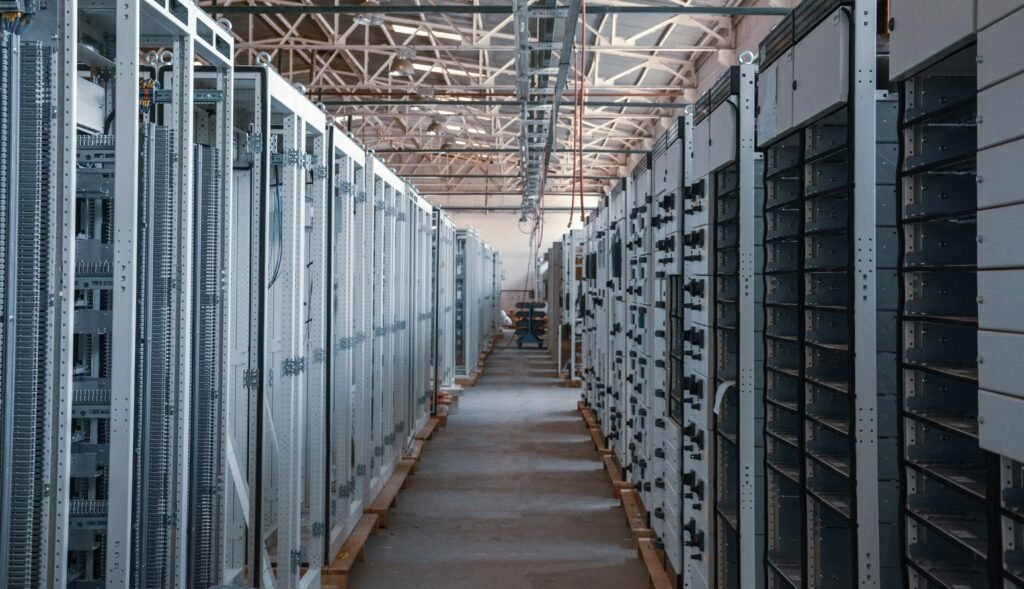
The BBK digital corridor refers to Batam, Bintan, and Karimun — a cluster of Indonesian islands in the Riau Archipelago sitting just across the Singapore Strait, close enough that Batam is roughly a 45-minute ferry ride from Singapore’s city center. For decades, BBK has functioned as a manufacturing and light-industrial satellite of Singapore. What’s changed in the last two years is that it’s now becoming a data center hub in its own right, not just an industrial one.
Singapore-Indonesia Dual-Hub Strategy Cuts Costs by 8x

The Singapore-Indonesia dual-hub strategy is a structural approach where multinationals deliberately split business functions across both markets instead of consolidating everything in one. Singapore holds the “brain” functions: headquarters, intellectual property management, high-level R&D, legal structuring, and financial operations. Indonesia — along with Malaysia and Vietnam in some cases — holds the “muscle” functions: manufacturing, large-scale labor-intensive operations, and production at volume.
Austrade Climate Sustainability Landing Pad: 50+ Meetings

The Austrade Climate Sustainability Landing Pad was a market entry program designed to support Australian climate and sustainability companies in exploring commercial opportunities and strategic partnerships in Indonesia. Delivered through close collaboration between Austrade and VentureSEA, the program combined pre-market preparation, targeted business matching, and on-ground facilitation to help delegates understand Indonesia’s climate innovation landscape and engage directly with relevant industry stakeholders.
Southeast Asia Data Center Boom: A $13B Opportunity by 2030
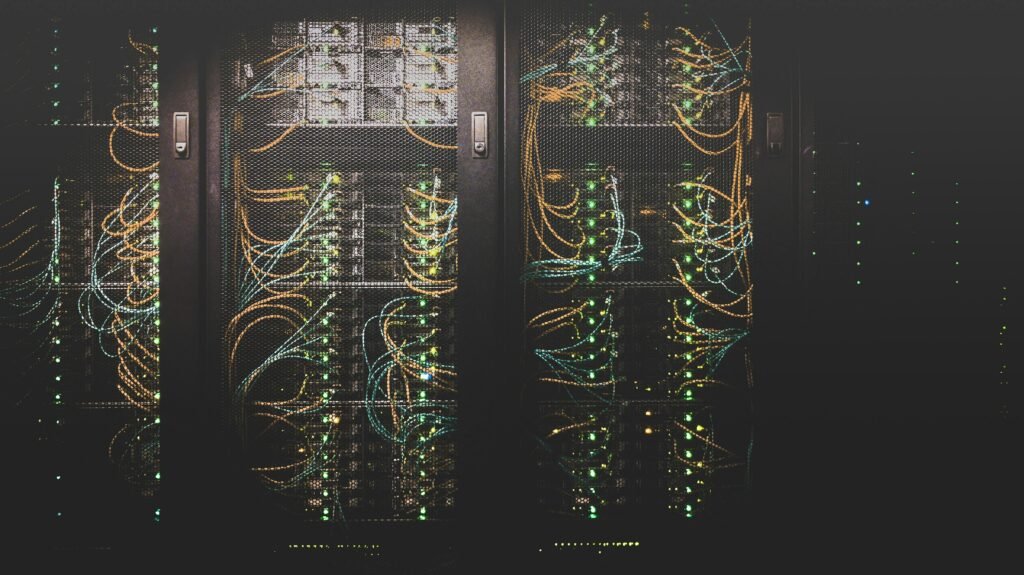
The Southeast Asia data center boom is being driven by one thing above all else: generative AI. Training large language models requires massive, concentrated computing power, while inferencing — running trained models in real-world applications — demands low-latency facilities close to urban centers. Both put a strain on infrastructure that traditional cloud workloads never did.